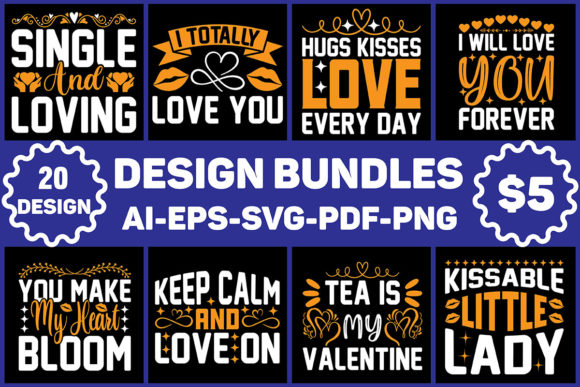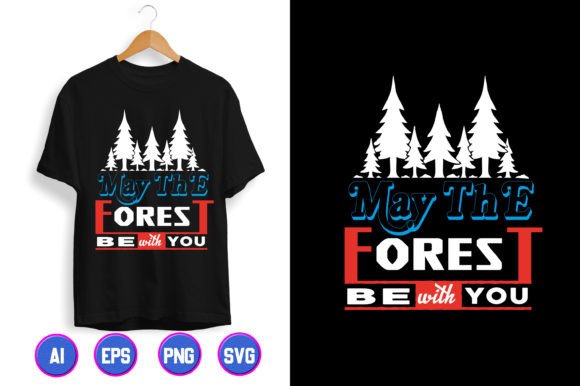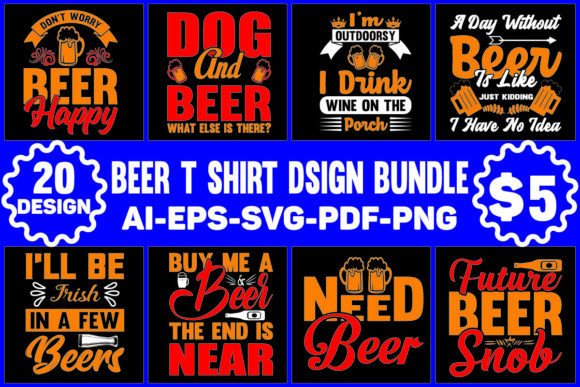
Beer T-Shirt Design Bundle
A Designer’s First Look: Playful, Punchy, and Purpose-Built
When I opened the Beer T-Shirt Design Bundle, my first thought wasn’t “cute” or “trendy”—it was “this will stitch cleanly.” As someone who’s digitized over 400 machine embroidery designs and shipped embroidered totes, baby onesies, and boutique aprons for eight years, I scan files for rhythm, spacing, and stitch logic before I even zoom in. This bundle lands with a confident, slightly cheeky energy—bold outlines, generous negative space around lettering, and a balanced weight between icon and text. It doesn’t try to be delicate or overly detailed. That’s not a flaw—it’s smart restraint. It tells me this was made *for real fabric*, not just screen display.
Where It Shines: Real Projects, Real Customers
I tested the Beer T-Shirt Design Bundle on a midweight cotton canvas tote for a local brewery pop-up—and it held up beautifully. The clean vector foundation (AI, EPS, SVG) translated seamlessly into my embroidery software. No jagged edges, no stray anchor points. On the finished tote, the design read clearly at 4.5" wide: crisp satin stitch borders, open fill areas that didn’t pucker, and lettering legible even from across the room. That’s critical for small shop merchandise where clarity = credibility.
It also worked well as an embroidered patch on twill fabric—no thread nesting in corners, no distortion in the hop leaf motif. For sweatshirt embroidery? Yes—but I used medium cutaway stabilizer and reduced top tension slightly to keep the texture soft. On baby onesies? I resized it down to 3.2" and ran it on lightweight tear-away + topping. The result was subtle but unmistakable—a handmade product that felt intentional, not mass-printed.
Holiday embroidery? Think cozy beer-themed kitchen towels or pillow covers for a craft fair booth. The design’s visual personality leans friendly and approachable—not ironic or edgy—so it lands well for personalized gifts (e.g., “Happy Birthday, Dad!” with the beer graphic tucked beside the text). Etsy sellers will find it especially useful for seasonal listings: “Beer Lover Gift Set,” “Brew Day Apron,” “Custom Embroidered Bar Towel.” It reads as warm, human-made—not clipart.
Where to Pause: Fabric, Fit, and Function
This isn’t a one-size-fits-all embroidery file. Its strength is simplicity—but that means it needs thoughtful placement. On stretchy fabrics like jersey tees or curved surfaces like caps, I recommend hooping with firm stabilizer *and* testing the design’s center alignment first. The lettering is bold, but some characters sit close together; on dark fabric, low-contrast thread colors can blur detail unless you choose a high-sheen poly or add a white underlay.
For tiny hoop sizes (under 4"), avoid using the full bundle layout—zoom in on individual icons or single-word variants instead. And while the PNGs are sharp at 300 dpi, remember: those are for mockups and printables, *not* direct embroidery use. Always start from the vector (AI/EPS/SVG) or embroidery-ready format if your machine supports it.
Dense fill areas—like the foam in the beer glass illustration—are well-distributed, but on thin fabrics like linen tea towels, I’d reduce stitch density by 8–10% in my software to prevent stiffness. And for layered garments (e.g., embroidered patches sewn onto denim jackets), confirm the design’s outer edge has enough clearance for seam allowances—no tiny flourishes bleeding into stitching lines.
Design Notes Every Embroidery Designer Should Check
- Test on scrap fabric first—especially with textured weaves or blends. Watch how the satin stitch interacts with nap.
- Review thread color contrast on both light and dark backgrounds. A warm amber thread pops on navy; gray works better on cream.
- Confirm hoop size compatibility before resizing—some versions in the bundle may exceed standard 5x7 hoops when scaled up.
- Inspect small details like stem lines or bubble highlights. Are they thick enough to survive 20+ washes? (They are—but verify in your software’s stitch preview.)
- Try black-and-white mockups to assess value contrast—critical for gift buyers scanning listings on mobile.
- Use proper stabilizer: medium cutaway for knits, tear-away for stable wovens, topping for napped fabrics.
- Check licensing before selling finished items or reselling digital files. The bundle includes AI, EPS, SVG, PDF, and PNGs—but commercial rights depend on the creator’s terms.
Why It Builds Trust—Not Just Texture
Customers don’t buy “beer graphics.” They buy confidence: confidence that the embroidered mug won’t fade, that the gift feels personal, that the boutique item looks professionally made. The Beer T-Shirt Design Bundle delivers that quietly. Its consistent line weight, balanced proportions, and lack of visual clutter signal craftsmanship—not haste. When stitched on an apron for a homebrewer’s wedding gift, it read as celebratory but grounded. On a holiday kitchen towel? Festive without being kitschy. That tone matters for brand consistency, whether you’re an Etsy seller building a cohesive shop or a craft business expanding into custom apparel.
It also supports strong buyer engagement. Because the design is clear at thumbnail size, it performs well in digital listings—no squinting, no ambiguity. And because it scales predictably across formats (SVG for web previews, PNGs for printable mockups, AI for reworking), it becomes reliable design assets—not just a one-off download.
Final Thought: A Thoughtful Tool, Not a Trendy Gimmick
The Beer T-Shirt Design Bundle won’t win awards for avant-garde illustration—but it wasn’t meant to. It wins where it counts: in the hoop, on the fabric, and in the hands of someone who values clarity, wearability, and quiet professionalism. If you’re choosing embroidery files for real projects—not just Pinterest boards—you’ll appreciate how little it asks of your time, your stabilizer stash, or your customer’s patience. It’s ready to work. You just need to guide it well.