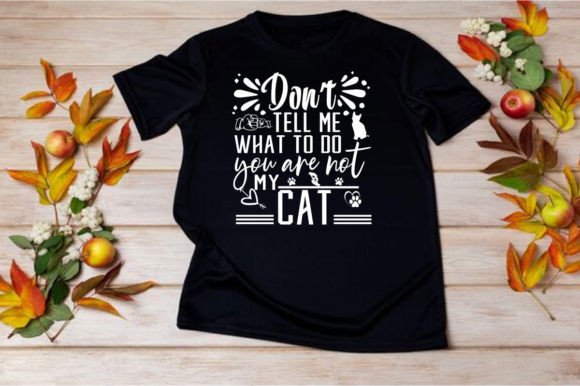
DON’T TELL ME WHAT TO DO YOU, SVG
First Impressions: Sassy, Bold, and Built for Attitude
When DON’T TELL ME WHAT TO DO YOU, SVG lands in your inbox or cart, it doesn’t whisper—it leans in with a smirk. As an embroidery designer who’s stitched everything from nursery monograms to boutique logo sleeves, I immediately notice the rhythm: short phrases, punchy spacing, and that deliciously defiant tone. It’s not subtle. It’s not meant to be. This is a machine embroidery design that thrives on personality—not precision perfection. The vector foundation means clean edges and scalability, but its real strength lies in how easily it translates into confident, readable stitch work—especially at medium to large sizes.
A Real-World Test: Embroidering a Linen Tote for a Local Boutique
Last week, I prepped DON’T TELL ME WHAT TO DO YOU, SVG for a custom linen tote bag order—part of a small shop’s “Unapologetically You” summer collection. Linen’s texture can swallow fine details, so I ran a test stitch on scrap first. The phrase held up beautifully at 4.5 inches wide: satin-stitched letters stayed crisp, spacing remained legible, and the overall shape sat cleanly across the tote’s flat front panel. No floating threads. No puckering. Just bold, conversational energy stitched into fabric. Customers loved it—not because it was delicate, but because it felt *intentional*, handmade, and unmistakably human.
Where It Shines (and Where It Needs Guardrails)
DON’T TELL ME WHAT TO DO YOU, SVG works best where attitude meets accessibility:
- Sweatshirt embroidery — Thick fleece absorbs dense fill stitches well; the design’s open letterforms prevent stiffness.
- Tote bag design — Large, flat surface + high visibility = ideal canvas for this kind of statement.
- Aprons and pillow covers — Adds wit without overwhelming function or comfort.
- Custom apparel for teens or creatives — Fits naturally into collections built around self-expression, not subtlety.
But here’s where I pause—and why I always test before committing:
- Small hoop sizes: Don’t force it below 3 inches wide. Tiny caps or baby onesies? Skip it. Lettering loses clarity, and satin stitch edges start to blur.
- Stretchy or thin fabric: On lightweight tees or ribbed knits, stabilizer choice is non-negotiable. Use cutaway + topping to lock down thread flow and prevent distortion.
- Curved surfaces: Avoid placing it across the crown of a cap. The phrase’s horizontal emphasis fights natural curvature—results look stretched or misaligned.
- Dark fabric + light thread: Always check contrast in mockups. White-on-black reads strong, but pale yellow or mint may vanish. Test thread colors early.
What It Does for Your Craft Business
This isn’t just another digital embroidery file—it’s a conversation starter. For Etsy sellers and small shop owners, DON’T TELL ME WHAT TO DO YOU, SVG adds instant voice to handmade product listings. When paired with quality stitching and thoughtful presentation (think clean packaging + a handwritten note), it elevates a simple embroidered patch or sweatshirt into something customers want to *share*. That matters—especially when buyers are choosing between your handmade product and mass-produced alternatives.
It also reinforces brand consistency for shops leaning into humor, confidence, or modern minimalism. But be mindful: its tone doesn’t suit every audience. A pediatric clinic’s staff apron? Probably not. A feminist bookstore’s tote? Absolutely. Match the mood to your customer—not just your catalog.
Design Notes Every Embroidery Professional Should Check
Before stitching DON’T TELL ME WHAT TO DO YOU, SVG into your next project, run through these practical checks:
- Test on scrap fabric — Especially if using textured, dark, or stretchy materials.
- Review stitch density — High-density fills can stiffen lightweight fabrics. Adjust underlay or reduce density if needed.
- Confirm hoop size compatibility — Know your machine’s max width and whether this design fits comfortably within it.
- Inspect small details — Look closely at letter terminals and spacing. Are they tight enough to hold up in satin stitch? (Spoiler: Yes—but only if digitized well.)
- Mock it in black and white — Helps spot contrast issues before threading your needle.
- Use proper stabilizer — Cutaway for knits, tear-away for stable wovens, topping for napped fabrics like fleece.
- Verify licensing — Since this is marketed as a Graphics file for T-Shirt Designs, confirm whether commercial use (e.g., selling finished embroidered items) is permitted before listing on Etsy or at craft fairs.
Final Thought: Not Just a Phrase—A Design Decision
DON’T TELL ME WHAT TO DO YOU, SVG isn’t about technical complexity. It’s about clarity of intent—both in design and execution. As a designer, I appreciate how little it asks of the embroiderer: no intricate applique design layers, no fragile running stitch accents, no tiny decorative flourishes begging to unravel after three washes. It’s direct. It’s durable. And when stitched right, it carries weight—not just in thread count, but in presence.
For craft business owners, it’s low-risk, high-character inventory. For hobbyists, it’s a satisfying, expressive win. And for anyone who’s ever wanted to stitch something that says exactly what they mean—without apology—that’s the real value behind DON’T TELL ME WHAT TO DO YOU, SVG.